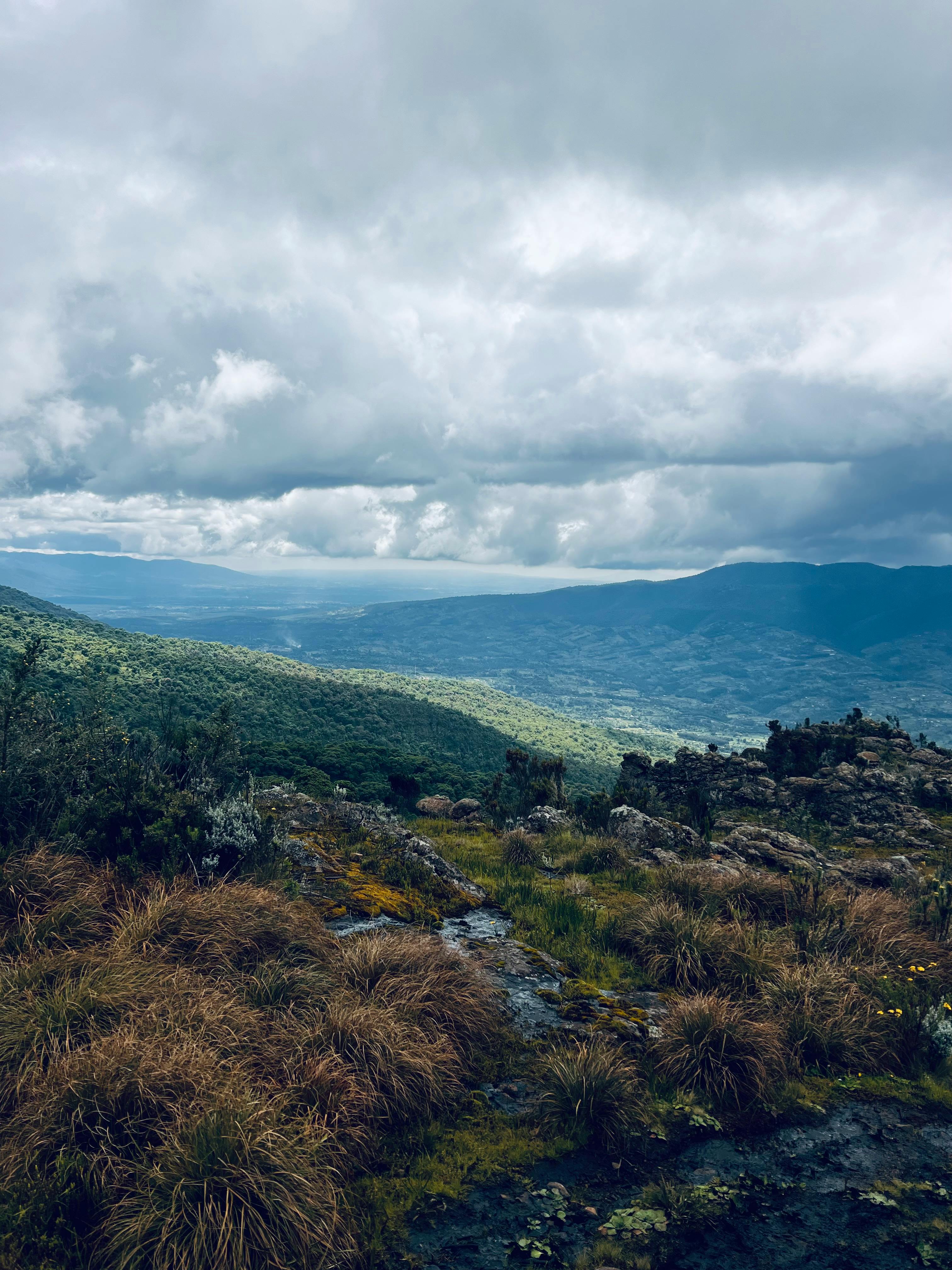
How to Prepare for a Hike
Building Your Physical Foundation
Hiking is a full-body endurance activity that places sustained stress on the cardiovascular system, the lower-body muscles, and the joints of the knees, hips, and ankles. A well-designed training programme addresses all three systems over at least six to twelve weeks before a significant hike.
Cardiovascular Conditioning
The most effective and accessible cardiovascular preparation for hiking is simply walking — with intention and progressive overload. Begin with 30-minute flat walks three times per week, increasing duration by 10 minutes weekly. After four weeks, introduce elevation: stairwells, parking garage ramps, the Karura Forest trails in Nairobi, or the Ngong Hills on weekends. Your goal is to sustain a brisk walk for 90 minutes at a conversational pace before attempting a full-day hike.

Complement your walking with low-impact aerobics work: cycling, swimming, and rowing machines all build cardiovascular base while protecting joints. Aim for 150–200 minutes of moderate aerobic exercise per week during your preparation phase.
THE TALK TEST While hiking, you should be able to speak in short, complete sentences. If you cannot, slow down. If you can sing comfortably, increase your pace. This roughly corresponds to 60–75% of maximum heart rate — the aerobic zone that powers long endurance efforts. |
Strength Training for Hikers
Strong legs protect joints and power you up steep, rocky terrain. Include the following strength exercises 2–3 times per week in your preparation block. Progress from heavier, lower-rep sets (weeks 1–6) to lighter, higher-rep muscular endurance work (weeks 7–10) as your hike approaches.
- Goblet squats — 3 sets of 15 (knee stability and quad development)
- Romanian deadlifts — 3 sets of 12 (hamstrings and glutes for climbing power)
- Step-ups onto a 40–50cm box — 3 sets of 12 per side (single-leg hiking simulation)
- Bulgarian split squats — 3 sets of 10 (single-leg strength and balance)
- Single-leg calf raises — 3 sets of 20 (Achilles tendon and calf resilience)
- Lateral band walks — 2 sets of 20 steps (hip abductors for knee tracking)
- Dead bug — 3 sets of 10 (anti-rotation core stability for pack carrying)
- Farmer carries with a loaded pack — 3 sets of 40 meters (grip, posture, pack simulation)
Joint Mobility and Injury Prevention
The two most common hiking injuries are ankle sprains and knee pain (particularly iliotibial band syndrome on descents). Dedicate 10 minutes daily to: ankle circles (20 in each direction), hip 90/90 stretches (60 seconds per side), foam rolling the calves, IT band, and thoracic spine, and single-leg balance work — standing on one foot for 60 seconds with eyes closed trains the proprioceptive system that prevents ankle rolls on uneven ground.
Four weeks before your hike, begin wearing your loaded backpack on training walks to condition your body to that specific demand. Start with 5kg and increase to your expected trail weight.

Nutrition Strategy — Before, During, and After
Hiking burns between 300 and 600 calories per hour depending on pace, terrain, pack weight, and body mass. A full-day hike covering 20km with 1,000m of elevation gain can demand 3,000–4,500 calories. Fuelling properly is not optional — it determines whether you reach your destination safely.
Pre-Hike Nutrition (3 Days Before)
In the three days before a major hike, prioritise complex carbohydrates — the body's primary endurance fuel. Increase your intake of rice, sweet potato, ugali, oats, and wholegrain bread. Reduce alcohol, which disrupts sleep quality and glycogen storage, and decrease high-fibre foods (legumes, raw cruciferous vegetables) the evening before to minimise gastrointestinal discomfort on the trail.
On hike morning, eat your breakfast 90–120 minutes before you start walking. Target 60–90g of carbohydrates with moderate protein and low fat and fibre for fast gastric emptying. Ideal choices include: oatmeal with banana and honey, wholegrain toast with two eggs, or ugali with an egg.
On-Trail Fueling — The 45-Minute Rule
Eat before you feel hungry. Once the body signals hunger, blood glucose has already dropped and performance will deteriorate. The practical rule: eat a small snack every 45–60 minutes of hiking. Target a mix of fast-acting carbohydrates for immediate energy and slower-releasing complex carbs plus fat and protein for sustained output.
Excellent trail foods available in Kenya include: fresh dates (6 provide ~120 calories of fast carbs), bananas (potassium prevents cramps), trail mix with cashews and raisins, Mandazi or chapati wedges, boiled eggs, peanut butter sachets, and dark chocolate for both morale and mild caffeine.
Hydration — Kenya's Critical Factor
In Kenya's equatorial climate and highland terrain, dehydration is the single most common cause of hike failure and a primary trigger of altitude mountain sickness (AMS) above 3,000m. The general guideline is 500ml of water per hour of moderate hiking, increasing to 750ml in direct sun or above 3,500m. Drink before you are thirsty. After two hours of hiking, supplement plain water with electrolytes — sodium, potassium, and magnesium are lost through sweat and must be replaced.
ALTITUDE HYDRATION NOTE Above 3,000m on Mount Kenya or the Aberdare plateau, altitude increases respiratory rate and urine output, dramatically elevating fluid requirements. Aim for 3–4 litres per day on high-altitude routes. Avoid alcohol and limit caffeine above 3,500m. |
Gear — The Essential Kit
Gear selection follows one principle: carry everything you need and nothing you don't. Every unnecessary gram compounds over kilometres and hours. The following categories constitute the essential kit for hiking in Kenya, from a half-day walk in Karura Forest to a three-day Mount Kenya circuit.
Footwear — Your Most Critical Investment
Invest in your feet before anything else. Mid-cut waterproof hiking boots provide ankle support and protection against Kenya's afternoon rains; trail runners suit fast, light hikers on well-marked paths. Whatever you choose, break them in over at least four training walks. Never wear new boots on a significant hike. Pair boots with moisture-wicking wool or synthetic socks — cotton retains sweat and causes blisters.
The Layering System
Kenya's highlands are deceptively cold. Temperature drops 6–7°C for every 1,000m gained — the summit of Mount Kenya is sub-zero even at the equator. Dress in three layers: a moisture-wicking base layer (merino wool or synthetic — never cotton), an insulating mid-layer (fleece), and a waterproof, breathable hardshell. Carry all three layers in your pack even on warm days.
The Ten Essentials
The internationally recognised "Ten Essentials" framework defines the minimum items every hiker should carry:
- Navigation: topographic map, baseplate compass, downloaded offline GPS maps (AllTrails, Maps.me)
- Sun protection: SPF 50+ sunscreen, UV-blocking sunglasses, wide-brim hat — UV intensity increases 10% per 1,000m

- Insulation: extra warm layers, gloves, and a thermal hat (even on a warm start day)
- Illumination: headlamp with spare batteries — alpine starts in darkness are standard on Mount Kenya
- First aid: blister pads (Compeed), bandages, antiseptic, ibuprofen, antihistamine, Diamox if at altitude
- Fire: lighter and waterproof matches in a zip-lock bag
- Repair tools: duct tape, cord, small multi-tool or Swiss Army knife
- Nutrition: one extra day's worth of food beyond your planned hike duration
- Hydration: 2L minimum water capacity plus a filter (Sawyer Squeeze) or purification tablets
- Emergency shelter: lightweight bivy sack or space blanket — weighs 90g, can save a life

"Prepare your body for the trail, and the trail will prepare your spirit for everything else."
Comments (0)
No comments yet. Be the first to share your thoughts!